Still Water

Glass, water, and a maintenance schedule.

Japandi Bathroom Ideas: Recreate This Wood-and-Stone Vanity Look
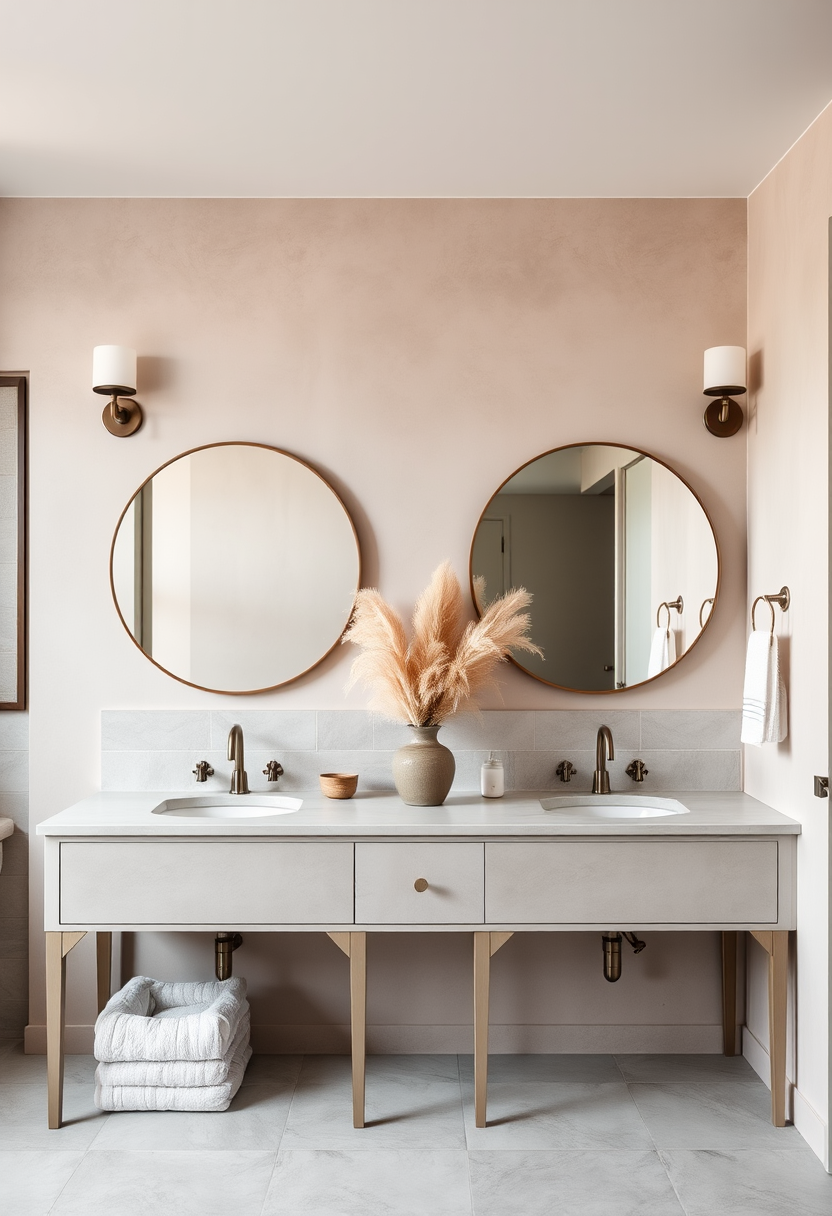
Pale oak floating vanity with a natural stone vessel basin, matte black wall-mount tap, black-framed mirror, and folded linen towels on a stone vanity tray — the full japandi bathroom palette in warm white, black, pale oak, and stone grey.

Bathroom · Japandi

Japandi Bathroom Ideas: Recreate This Wood-and-Stone Vanity Look

Three material families run the entire room — pale oak, raw stone, and matte black metal — with nothing else allowed to compete.

We cover the six pieces that make it work, a four-colour palette with real hex values, and a five-step weekend install sequence that begins with lighting and wraps up with linen.

As an Amazon Associate I earn from qualifying purchases. Built from published specs, hobbyist builds and forum-documented results, with sources named in the text. Links may earn a commission, which has no bearing on what gets recommended.

Shop This Look on Amazon 6 pieces · view each on Amazon

Shop the look

6 pieces

Each piece was chosen to match the exact feel of the room above — the materials, the light, and a palette that holds together. Tap through for current options and prices on Amazon.

P

Pale Oak Floating Bathroom Vanity

This is the piece everything else hangs off of. You want a wall-mounted vanity in light ash or white-oak finish, roughly 30–36 inches wide, with flat slab-front drawers and no visible pulls. Floating it off the floor opens up the ground line — that gap underneath is half the reason japandi bathrooms feel so light. Solid wood or a good veneer both hold up fine; what matters is a matte, natural-looking surface, not a glossy lacquer.

View on Amazon
N

Natural Stone Vessel Basin

A vessel sink sits proud on the vanity top instead of dropping into it, so the stone itself becomes part of the decor. River stone and marble both land in the right tonal range — aim for a grey or cream basin around 16 inches in diameter so it doesn't swallow the counter. A polished interior drains faster; a honed exterior keeps that raw, earthy texture you're after.

View on Amazon
M

Matte Black Wall-Mount Bathroom Faucet

Nothing else in the room hits this hard. A wall-mount spout in matte black clears the counter behind the basin and draws a sharp line against the warm white wall. Single-lever or two-handle both fit the style — the important thing is a slim, cylindrical shape with no ornamental fuss. Check that the spout reach clears the basin rim by at least two inches before you commit.

View on Amazon
B

Black-Framed Rectangular Bathroom Mirror

It picks up the black of the tap and frames the vanity wall. A thin metal border — about half an inch wide — reads minimal without vanishing altogether. Size it 4–6 inches narrower than the vanity so you get a strip of wall on each side. A 24×36-inch rectangle pairs well with a 30–36-inch vanity and gives you enough height to actually use it.

View on Amazon
L

Linen Bath Towel Set

Linen dries quickly, softens with every wash, and carries that slightly rumpled texture the japandi mix of discipline and warmth depends on. Pick a natural oatmeal or warm white shade so the towels sit inside the palette instead of fighting it. A set of two bath towels and two hand towels handles daily use and lets you keep a folded stack on the vanity for display.

View on Amazon
S

Stone Vanity Tray

A rectangular stone tray groups soap, a small plant, and folded hand towels into one tidy arrangement on the counter. Marble or travertine in grey or cream works best — pick a tone that relates to the basin without matching it dead-on, because a slight shift keeps things interesting. Something around 10×6 inches fits a 36-inch vanity without crowding the basin.

View on Amazon

How to get this look, step by step

a weekend
  1. Set the light and the mirror first

    Hang the black-framed mirror centred above where the vanity will go. If you're adding sconces, wire them now while the wall's still clear — use 2700 K warm-white bulbs so the pale oak reads golden rather than grey. Mark the bracket, set the anchor, hang the mirror. Getting it up first gives you a fixed reference line for everything that follows.

  2. Mount the floating vanity

    You'll need blocking inside the wall or heavy-duty toggle bolts rated for the weight. Set the vanity so its top edge sits 32–34 inches from the floor — that's standard counter height and leaves enough room underneath to clean. Level it with care; even a slight tilt shows against the horizontal line of the mirror above. Run the drain and supply lines before you slide the vanity onto its bracket.

  3. Place the stone basin and connect the tap

    Centre the stone vessel basin on the vanity top. Vessel basins sit high, so double-check that the matte black wall-mount faucet spout will clear the rim by at least two inches — adjust the spout height on the wall plate if it doesn't. Hook up the supply lines to the faucet, attach the drain, and test for leaks before sealing any wall plates. Wipe the basin down with a damp cloth to clear install dust.

  4. Anchor the palette with the vanity tray

    Set the stone tray to one side of the basin, leaving four to five inches of open counter between them so the surface still breathes. The tray corrals your everyday items — soap dish, a small succulent, a hand towel — into a single composed grouping. Stick to items already in the room's four-colour palette so nothing introduces a rogue hue.

  5. Finish with linen towels

    Fold two linen bath towels in thirds and stack them on an open shelf or a simple wall hook beside the vanity. Lay the hand towels folded on the stone tray or hang them from a matte black towel ring if you've got one. That slightly uneven texture of linen is what tells the eye this room is japandi, not just bare. Adjust folds until the warm white of the linen sits close to the pale oak — they should be near each other in tone but not identical.

Ready to recreate it? Everything's on one Amazon list.

Shop This Look on Amazon

Why this room works

The palette uses just four colours — warm white, black, pale oak, and stone grey — so every piece you bring in either belongs or immediately looks wrong. That built-in filter makes the room nearly impossible to overcrowd.

Raw materials carry the weight. Linen, stone, and wood each have visible grain or texture, so the room feels full even with very few objects. You get warmth without clutter, which is the whole japandi bargain.

Matte black hardware works like punctuation. The tap, mirror frame, and any towel fittings share one finish, creating a quiet rhythm around the room without dragging in another material.


Make it your own

Keep grout and caulk neutral

If your wall tile has visible grout lines, match the grout to the wall colour instead of contrasting it. White or warm-grey grout fades away, which keeps the visual weight on the vanity and basin rather than a grid pattern behind them.

Test oak tones under your actual light

Pale oak can swing from honey to grey depending on bulb temperature. Order a finish sample or hold the vanity door against your wall under the bathroom's own lighting before you decide. At 2700 K the oak warms up; at 4000 K it'll look ashy.

Seal the stone basin before first use

Most natural stone vessels do better with a penetrating sealer applied before daily use. It blocks water spots and soap stains from settling into the pores. Reapply every six to twelve months — the basin will darken a bit when wet, which is normal.

Leave negative space on the counter

Japandi bathrooms depend on open surface area to feel calm. Once the basin and stone tray are placed, at least 30-40 percent of the vanity top should stay bare. If you catch yourself filling gaps, you've got too many accessories — pare back to the tray grouping and stop.


The palette

get the exact tones
Warm White#F5F0E8
Matte Black#1A1A1A
Pale Oak#C4A87C
Stone Grey#9B9286

Warm White covers the walls and linen towels — it's the dominant field colour, taking up roughly 50 percent of what you see. Pale Oak shows up in the floating vanity and reads as a golden mid-tone. Stone Grey lives in the vessel basin and the vanity tray, grounding the lighter tones without going dark. Matte Black is the smallest player — the wall-mount faucet, mirror frame, and any towel hardware — but it supplies the graphic contrast that keeps the room from sliding into all-beige.


Details at a glance

Best room sizeWorks in bathrooms as small as 5×7 feet up to about 10×12 feet. In compact rooms the floating vanity is especially helpful because the visible floor underneath makes the space feel larger.
Vanity width range30–36 inches wide. Go narrower in a half-bath; use the full 36 inches if you have 8 feet or more of wall to work with.
Mirror size24×36 inches for a 30–36-inch vanity. Keep it 4–6 inches narrower than the vanity so a strip of wall shows on each side.
Colour temperature2700 K for all bathroom lighting. This temperature keeps the pale oak warm and the stone basin soft rather than clinical.
Counter height32–34 inches from floor to vanity top. Because a vessel basin adds 5–6 inches of height, the effective rim will sit at roughly 37–40 inches — comfortable for most adults.
Key finishMatte throughout. Matte black metal, matte-sealed oak, honed stone. Glossy finishes break the japandi read.
Tray sizingRoughly 10×6 inches for the stone vanity tray. This fits a 36-inch vanity without crowding the basin and holds soap, a small plant, and a folded hand towel.

Questions people ask

Can I use a drop-in sink instead of a vessel basin for a japandi bathroom?

You can, but you'll lose one of the look's defining details. A vessel basin puts the stone on display as a sculptural object; a drop-in hides the material below the counter line. If you prefer drop-in for practical reasons — easier cleaning, lower effective height — pick one in a similar grey or cream stone so the palette still holds. Just know the vanity will look more conventional.

Does a wall-mount faucet require special plumbing rough-in?

It does. Supply lines come through the wall rather than up through the vanity, so the rough-in has to be positioned behind the basin at the right height. If your current plumbing runs up from the floor, a plumber can re-route it inside the wall — it's a manageable job, but not a DIY afternoon project. Sort this out before ordering the matte black wall-mount faucet so the spout clears the basin rim by at least two inches.

How do I keep a natural stone vessel basin from staining?

Apply a penetrating stone sealer before first use and reapply every six to twelve months. Wipe the basin dry after each use to head off hard-water spots. Skip acidic cleaners — anything lemon- or vinegar-based can etch the surface. A damp microfibre cloth with mild soap handles daily cleaning without doing any damage.

Will pale oak bathroom furniture hold up in a humid environment?

Solid hardwood and quality veneers both do fine as long as ventilation is decent. Run the exhaust fan during and for 10–15 minutes after every shower. A floating vanity helps too, because air moves underneath and behind it, cutting down on moisture buildup. If your bathroom has no window and poor airflow, consider an engineered-wood vanity with a sealed oak veneer — it handles humidity swings better than solid timber.

What towel colour works if I want a subtle accent in this palette?

Keep the linen bath towels in the warm-white-to-oatmeal range so they blend with the walls. If you want a quiet accent, a muted sage or clay-toned hand towel on the stone tray can work without wrecking the four-colour palette — just limit it to one piece, not a whole set. In japandi rooms, colour accents are whispers, not shouts.

Get the whole look

Shop This Look on Amazon
Shop this look — 6 pieces on Amazon Shop on Amazon